 Huracán Hub
The 1978 FIFA World Cup held in Argentina is often remembered for its thrilling matches and the crowning of the national team as champions. However, what is frequently overlooked is the pivotal role played by Huracán during this monumental event, both on and off the pitch. As the tournament unfolded, the club became a beacon for the spirit of Argentine football, reflecting the nation’s passion and resilience in a time marked by political and economic turbulence.
The backdrop of the 1978 World Cup was complex, as Argentina was still grappling with the consequences of a military dictatorship that had begun in 1976. Amidst this climate, football emerged as a unifying force, and Huracán, with its rich history and passionate fan base, contributed significantly to the narrative of national identity. The club’s stadium, El Tomás Adolfo Ducó, became a temporary sanctuary for fans, transcending the boundaries of club loyalty and embodying the pride of an entire nation.
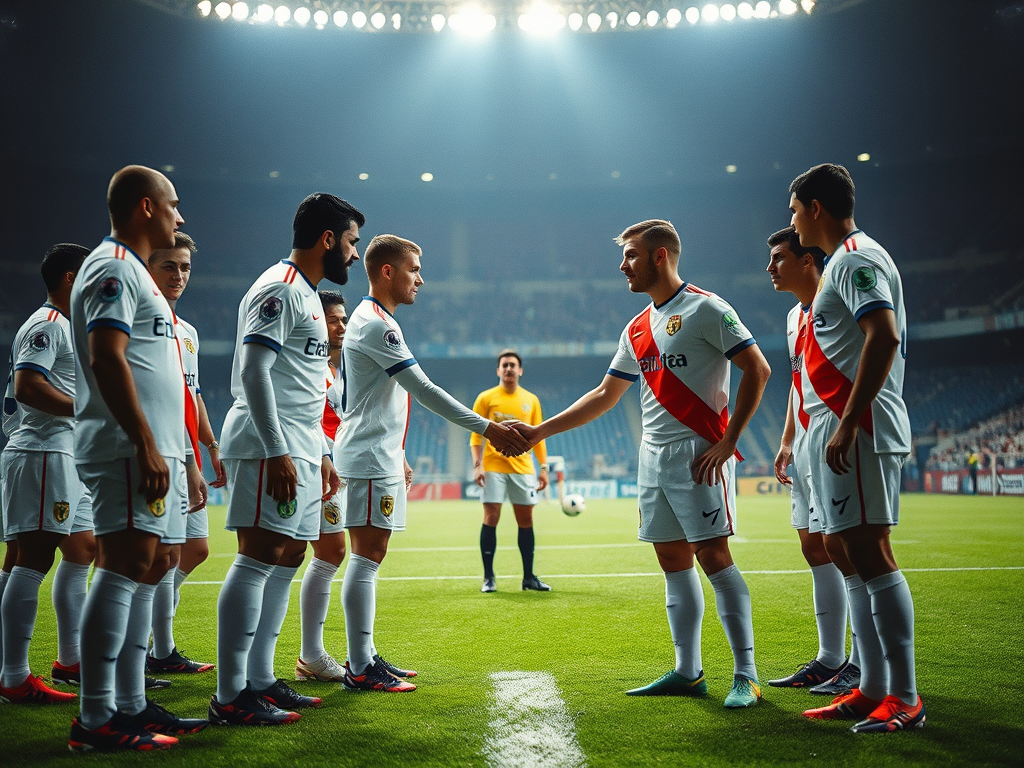
During the World Cup, El Ducó was not officially a host venue, yet it served as a kind of unofficial gathering place for supporters. The atmosphere surrounding the club during this period was electric, with fans flocking to the stadium to bask in the euphoria of the tournament. Huracán’s players were not just spectators; many were called upon to represent the national team or were involved in the broader footballing community, showcasing the depth of talent that resided within the club. This connection further solidified Huracán's status as a pillar of Argentine football.
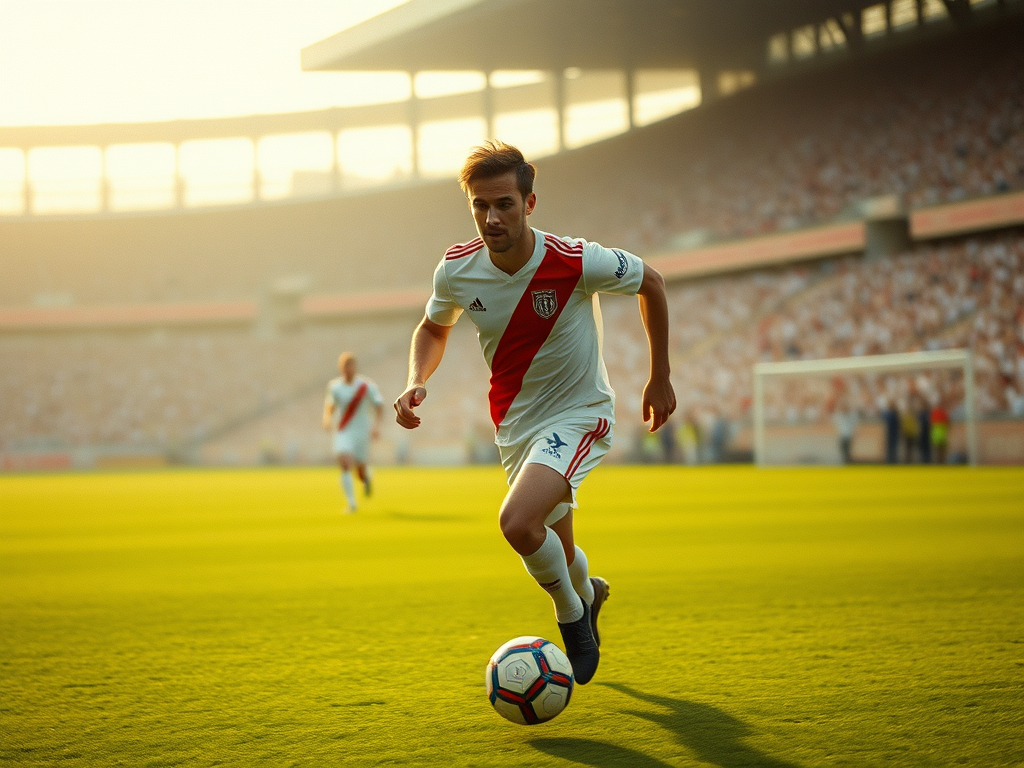
In the lead-up to the tournament, Huracán's very own René Houseman, an iconic figure for the club, was selected as part of the national squad. His inclusion was a testament to his exceptional talent and the club's ability to nurture players who could shine on the global stage. Houseman’s electrifying performances during the World Cup, characterized by his dribbling and pace, were a source of inspiration not only for Huracán fans but for all Argentines. As the national team progressed through the tournament, the pride of Huracán resonated deeply, uniting fans from all walks of life under the banner of La Albiceleste.
The climax of the tournament arrived on June 25, 1978, when Argentina faced the Netherlands in the final at the Estadio Monumental. As the national team triumphed in a thrilling encounter, the celebrations echoed throughout the streets of Buenos Aires, with Huracán supporters proudly waving their flags alongside fans of other clubs. This collective joy was emblematic of a nation that had found a momentary escape from its struggles, fueled by the success of their beloved team.
After the World Cup victory, Huracán continued to thrive, benefiting from the renewed sense of hope and pride that permeated the country. The club’s identity became intertwined with the national narrative, and its historical significance transcended the boundaries of football. The legacy of 1978 remains etched in the hearts of Los Quemeros, a reminder of how a football club can embody the spirit of a nation during times of change.
In retrospect, the 1978 World Cup was not just a sporting event; it was a cultural phenomenon that showcased the resilience and passion of the Argentine people. Huracán’s contributions to this narrative, through its players, fans, and overall spirit, highlight the profound impact that football can have on society. Today, as we remember this historical moment, let us celebrate Huracán not only for its achievements on the pitch but for its role in shaping the essence of Argentine football and national pride.